As disruptions around the Strait of Hormuz continue, large energy users globally and in South Africa are facing a new risk: the availability of diesel during a power system crisis may not be guaranteed, says Dominic Goncalves, Advisory Partner: Energy Strategy at Cresco Project Finance and Founder and Director of Naviara Energy.
The availability of diesel during a crisis has historically been assumed. When South Africa’s power system is under strain, diesel supports utility-scale and decentralised back-up generation.
During stable system operations, Eskom’s open-cycle gas turbines (OCGTs) are used at minimal levels to balance the system. During these periods, Eskom uses approximately 3-10% of South Africa’s total diesel demand.
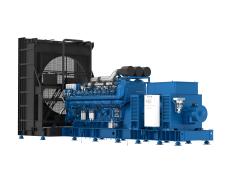
When Eskom’s system reserves are low, the utility increases the use of diesel-fired OCGTs to reduce the extent of load shedding. Once load shedding is implemented, private users across the country rely on diesel-powered generators for back-up supply.
During severe load shedding periods, including 2008-2009, 2014-2015 and 2022-2023, Eskom’s diesel consumption increased from approximately 3-10% to between 20-30% of national demand, according to Cresco Project Finance analysis. At the same time, diesel use from private back-up generation increased significantly.
Eskom is currently operating with a stable system and maintains reserve margin. According to Cresco analysis, Eskom has approximately 4,8 GW of headroom before reaching load shedding risk levels. While this provides a buffer, the system remains exposed to multiple unit trips across the generation fleet.
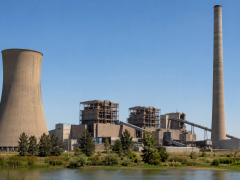
Such events are not uncommon. In February 2025, five units at Majuba power station tripped, which triggered a trip at Medupi due to frequency issues. At the same time, four units at Camden were lost due to hydraulic valve issues on the cooling water pumps.
As a result, approximately 4 GW of capacity was lost within a short period, leading to Stage 3 load shedding and later Stage 6. Power was restored within four days. During this period, Eskom relied on diesel-fired OCGTs to reduce load shedding and support system recovery while private users operated on-site diesel generators.
If a similar generation loss event occurred during a period of constrained diesel supply, Eskom’s ability to operate OCGTs at required levels may be limited. At the same time, demand from private users would increase, placing additional pressure on available fuel supply.
This creates a potential compound risk scenario: a system event coinciding with limited diesel availability, reducing a layer of operational flexibility that has historically supported the grid during periods of stress.
Over the longer term, structural changes in the generation fleet may increase exposure to such risks. Approximately 17,7 GW of Eskom’s coal-fired capacity is scheduled for decommissioning by 2035. The pace of replacement capacity will influence reserve margins and system resilience.
Cresco’s national energy balance model indicates a potential return to load shedding risk from 2029 under certain scenarios. In this context, the availability of diesel remains a key factor in system response and recovery.
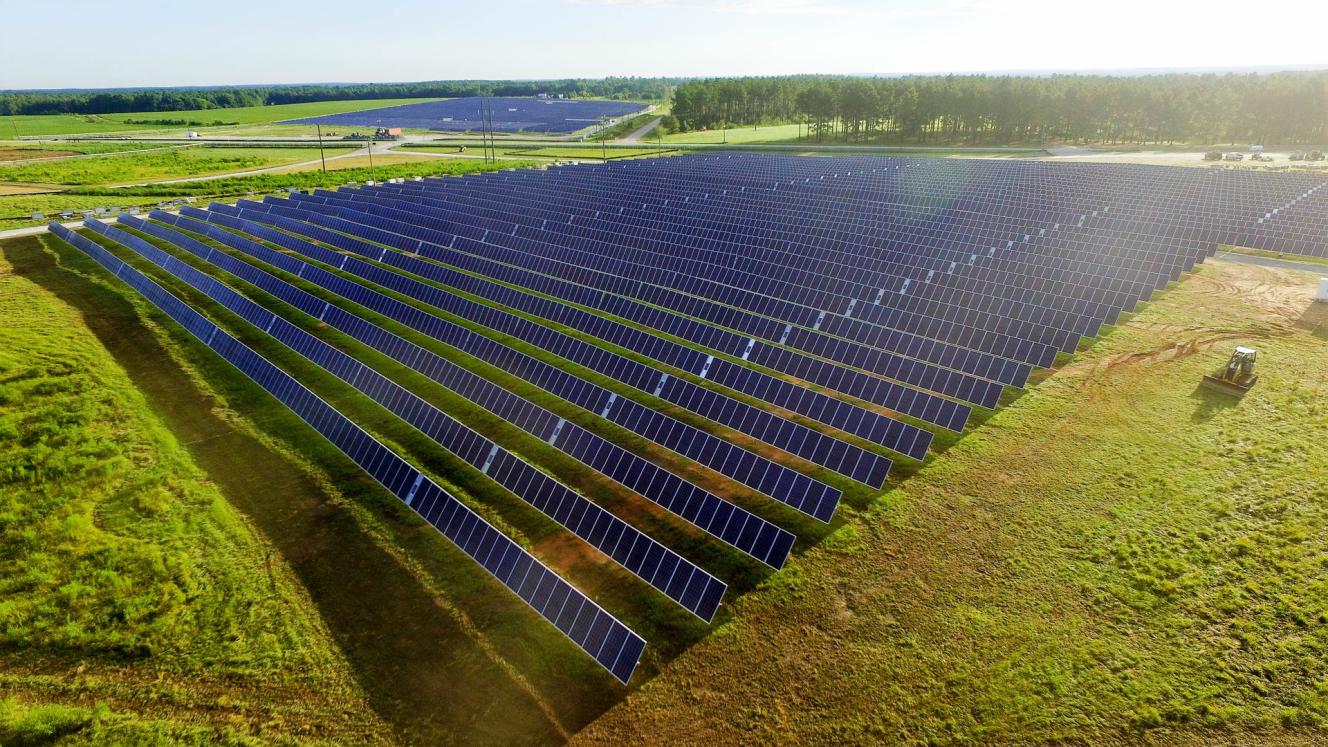
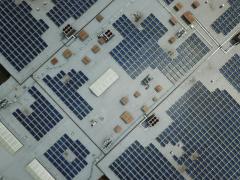
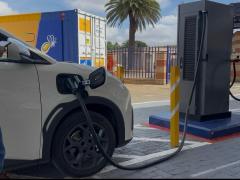
Alternative solutions, including on-site solar photovoltaics and battery storage, can reduce diesel consumption by lowering reliance on fuel during outages. However, these solutions may not fully replace dispatchable back-up generation during extended system events.
The interaction between fuel supply constraints and power system operations introduces additional uncertainty into energy security planning, particularly where diesel has historically been relied on as a back-up resource.