Copper prices have shattered previous records, briefly topping around US$14 500 per tonne (about R265 000 per tonne) in January this year yet beneath the surface of this landmark rally lies growing strain in the industry’s midstream, particularly copper smelters, which has implications for electrification, energy infrastructure and strategic supply chains, according to Shobhan Dhir, Critical Minerals Analyst, Consultant Mari Nishiumi and Tae-Yoon Kim, Head of Critical Minerals Division at the International Energy Agency.
Short-term drivers versus structural realities
The price surge reflects a convergence of short-term supply disruptions at major mines, tariff-driven stockpiling and macro-economic shifts such as lower interest rates and a weaker dollar. At the same time, structural demand growth linked to grid expansion, electric vehicles, data centres and artificial intelligence is reinforcing copper’s central role in the global energy transition.
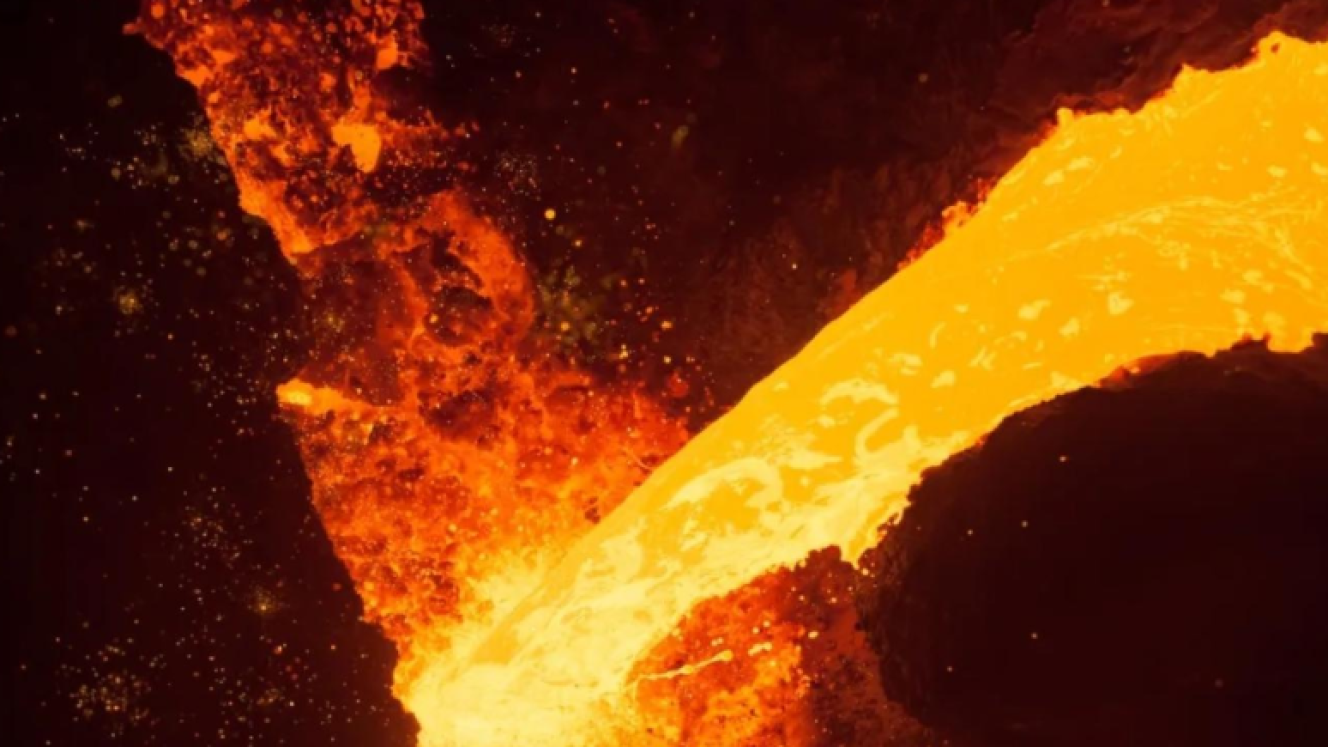
However, elevated prices have not translated into stronger conditions across the value chain. Treatment and refining charges, which are the fees miners pay smelters to process copper concentrate, have dropped sharply. In some cases to zero or even negative levels on the spot market. This reflects a surge in global smelting capacity, particularly in China, which has outpaced growth in available concentrate supply.
Why this matters beyond price
Smelters form a critical bridge between mined ore and the refined metal required for power networks, renewable energy systems and transport electrification. Prolonged pressure on smelter margins could lead to closures or consolidation outside dominant markets, increasing concentration in the midstream and heightening supply chain vulnerability.
Meanwhile declining ore grades, limited new discoveries and lengthy mine development timelines point to tighter fundamentals ahead. Without co-ordinated investment in mining, refining and recycling, the copper market could face structural imbalances. In a decarbonising world that depends heavily on copper, resilience across the full value chain will be as important as headline price highs.