The widespread availability of non-compliant electrical products in South Africa is creating systemic safety and liability risks for installers, retailers and the broader electrical industry, according to the voluntary safety association Safehouse.
South Africa has no reliable national statistics on electrical product compliance with independent industry testing consistently showing high failure rates across a range of electrical components, Safehouse says. The association warns that many products currently sold through formal retail channels fail to meet basic safety requirements despite certificates of compliance (CoCs) or letters of authority.
According to Safehouse, weak market surveillance and limited enforcement by the National Regulator for Compulsory Specifications (NRCS) have allowed non-compliant and illicit electrical goods to enter the market with little ongoing oversight. The regulator primarily relies on administrative approvals and single type test reports with limited mechanisms to ensure continued compliance once products are approved.
“This creates a system that can be exploited where a wide range of products can be sold under a single approval certificate without consistent quality control,” says Safehouse’s Technical Lead and Chairperson, Connie Jonker, adding that the NRCS does not publicly disclose non-compliant products, leaving installers, retailers and consumers exposed.
The scale of the problem extends beyond safety concerns. The South Africa Illicit Economy 2.0 Report, published by the Transnational Alliance to Combat Illicit Trade in collaboration with Business Unity South Africa, estimates the country’s illicit trade is about R100 billion or roughly 1,5% of GDP. While the figure spans multiple sectors, Safehouse says electrical products are part of a broader pattern of under-enforcement with overall regulatory action reaching less than 0,5% of illicit trade.
Jonker says compliance cannot be determined through visual inspection alone. “Even experienced professionals cannot reliably identify a compliant product on a shelf,” he says, noting that proper testing involves laboratory assessment of insulation, flammability, dimensions and protection performance – often at significant cost.
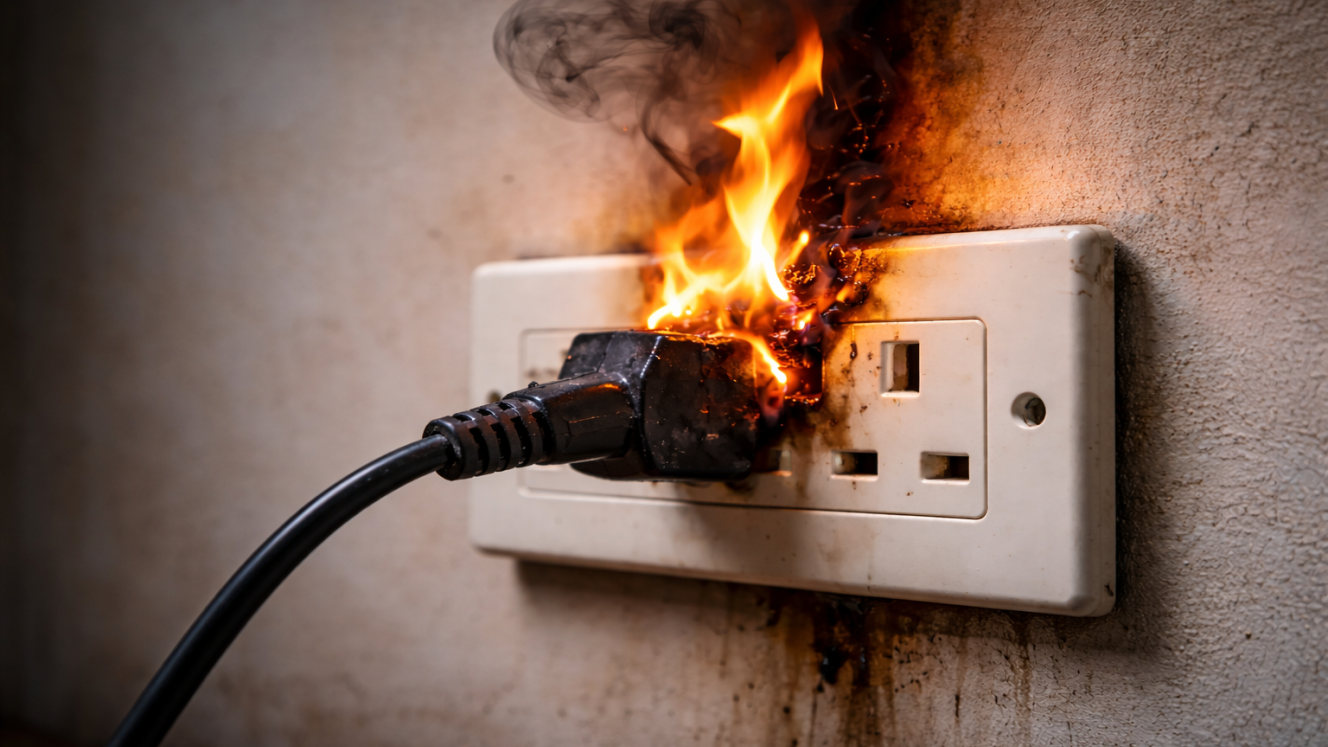
He warns that failures in critical components such as circuit breakers pose serious risks. “If a breaker does not trip when required, the result could be fire or electric shock. Other non-compliances, such as incorrect markings, may not be immediately dangerous but can still lead to unsafe use,” Jonker says.
The association also places responsibility on retailers, saying they represent the first line of defence against unsafe products. Safehouse says retailers should actively verify test reports and approval documentation, particularly where pricing appears unusually low.
Beyond safety risks, the influx of cheap, non-compliant products undermines local manufacturers, erodes trust in compliance systems and increases liability exposure for installers and inspectors operating under South Africa’s CoC framework.