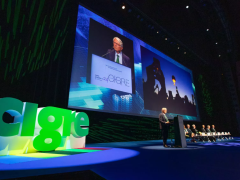
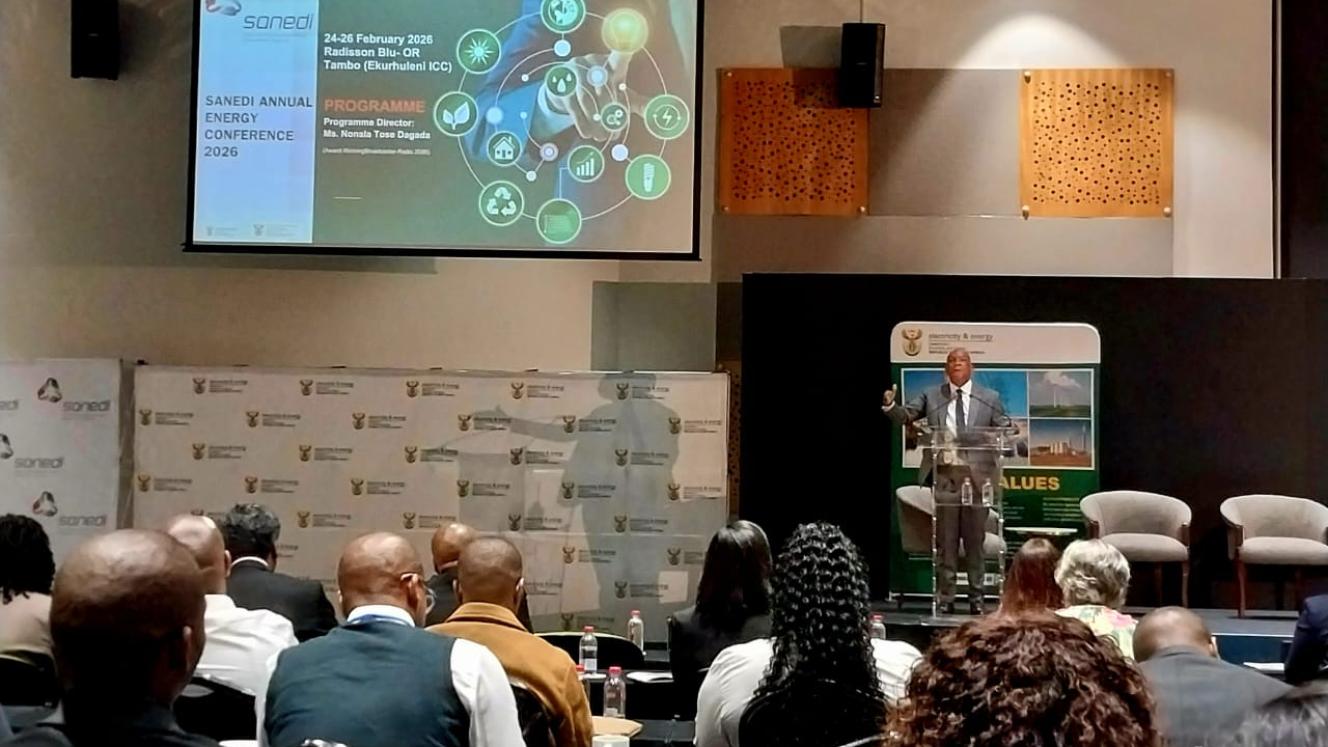
State co-ordination, long-range planning and science-based decision-making featured prominently at the South African National Energy Development Institute annual energy conference where the Department of Electricity and Energy outlined its approach to guiding South Africa’s evolving power system.
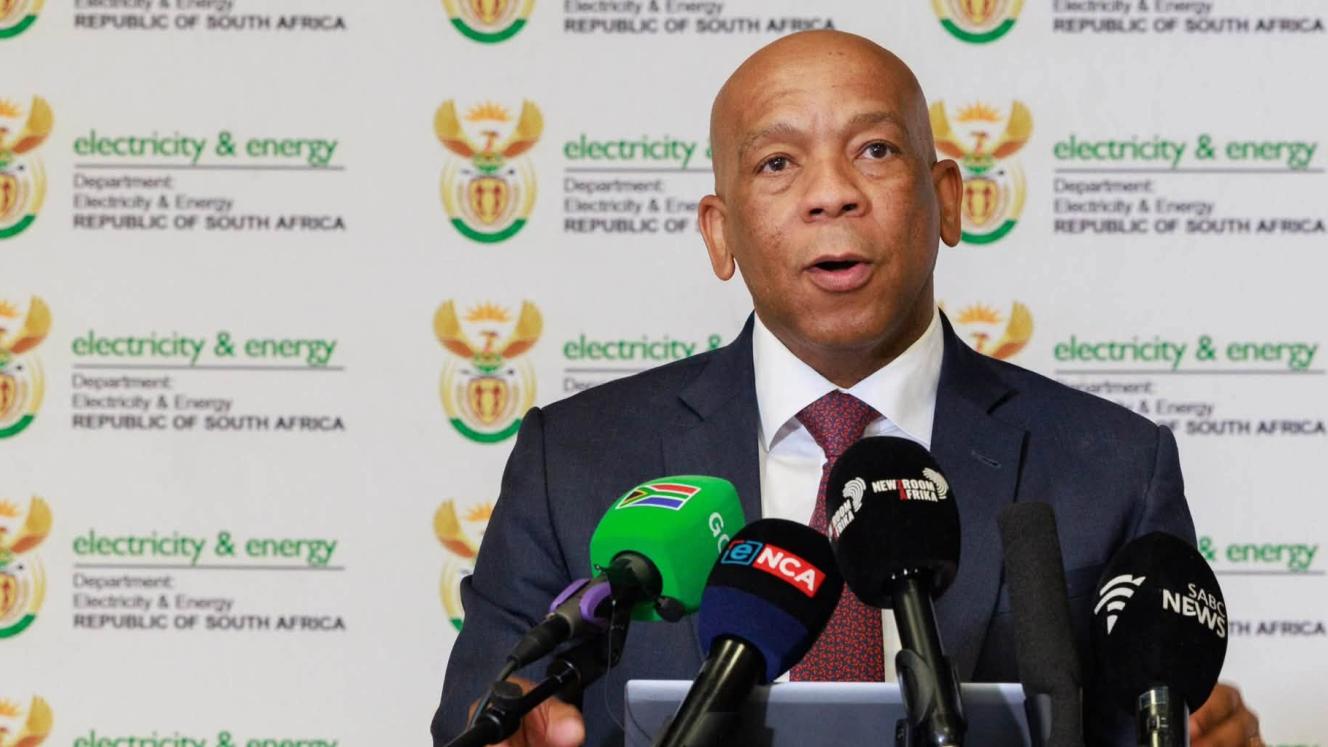
The three-day conference commenced on February 24 with Minister of Electricity and Energy Kgosientsho Ramokgopa delivering a keynote address that positioned government as a central co-ordinating force in energy planning. He argued that long-term policy direction must be anchored in evidence and supported by strong institutional capacity.
“The state must be the principal actor and should always be at the centre of policymaking,” Ramokgopa said.
The Minister indicated that, as the country moves beyond the immediate electricity supply crisis, future energy choices should increasingly rely on research, modelling and technical analysis.
“Policy determination must be primarily founded on scientific evidence,” he added, noting that science should carry significant weight in decisions affecting infrastructure investment and the future energy mix.
Ramokgopa also highlighted the importance of long-range planning horizons that extend beyond electoral cycles, arguing that energy system decisions require continuity and sustained implementation over decades.
Deputy Minister Samantha Graham-Maré echoed the emphasis on structured governance, describing the energy transition as a collaborative process involving multiple institutions with defined roles.
“Government sets direction and enables frameworks. Research institutions generate knowledge and technical capability. Industry invests, builds and operates,” Graham-Maré said.
She characterised the transition not only as a technological shift but also as an economic restructuring process, pointing to initiatives such as the South African Renewable Energy Master Plan, which aims to expand local manufacturing capacity and strengthen renewable energy value chains.
“As the system changes, the structure of the economy must evolve with it,” she added.
Throughout the opening sessions, speakers framed the transition as a co-ordinated effort linking policy direction, scientific research and industry implementation with emphasis on balancing energy security, industrial development and decarbonisation objectives