The cost of electricity, universal access, the expansion of transmission lines and South Africa’s first wholesale electricity market are among the key priorities shaping government’s energy agenda this year alongside renewed reform momentum following the recent State of the Nation Address.
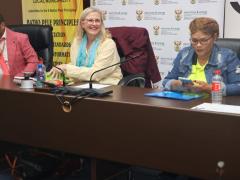
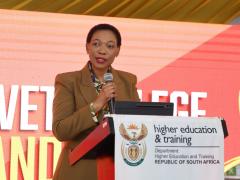
Speaking to Energize on the sidelines of the annual Investing in African Mining Indaba in Cape Town last week, Deputy Minister of Electricity and Energy Samantha Graham-Maré said South Africa’s first wholesale electricity market will be functional from April 1.
“This is the first step in delivering a competitive electricity market and a first for the country as we bring more traders in. It is an exciting development and a conversation that is very much at the top of our agenda for the year.”
She said it is a critical development for bringing more role players into the energy space and central to the process of unbundling Eskom and ensuring the South African electricity market is competitive and sustainable.
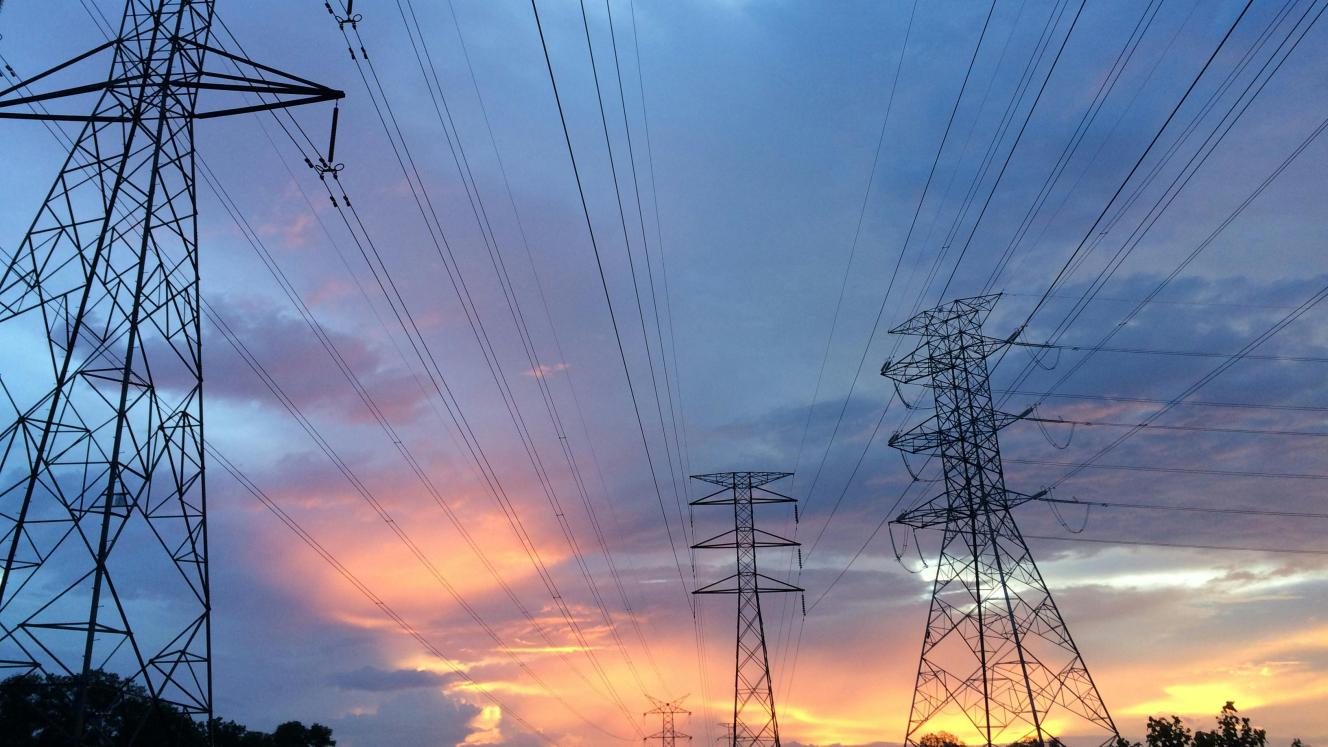
Asked about ongoing developments around transmission, she said South Africa is on track to delivering on the country’s commitment to invest R450 billion in 14 500 km of new transmission lines. A preferred bidder for the first 1 164 km is expected to be announced by the middle of this year with the process currently in adjudication.
“The third important conversation for 2026 is that of universal access to electricity,” she said. “We continue to look at ways to ensure everyone in this country has access to energy – not just those in formal housing but also those in informal settlements.”
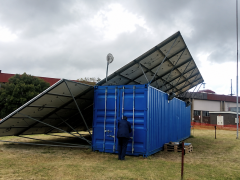
According to Graham-Maré, the department has reconstructed the Integrated National Electrification Programme grant to allow for microgrids in informal areas.
“This is an important development in that it directly addresses one of the major challenges we face, electricity theft, which in turn causes load reduction. Our goal is therefore not just to ensure every person in this country has access to energy but also to give us the ability to eradicate electricity theft and ultimately load reduction.”
She said electricity pricing remains on the table.
“The policy is being reviewed and carefully interrogated, and we are very hopeful of having a pricing policy this year that speaks to affordable and sustainable prices that are cost-reflective but also do not create energy poverty, which is where we are heading if we do not address this issue.”
The cost of energy in South Africa has been cited at the Mining Indaba as one of the major constraints facing the mining sector with industries such as ferrochrome and ferromanganese under severe pressure.
According to Bongani Motso, Acting Chief Economist for the Minerals Council South Africa, any talk of local beneficiation of minerals cannot happen without first addressing the cost of electricity.
“Energy security has been a major issue in the country in terms of electrons and cost,” he said. “We can beneficiate minerals like iron ore and manganese locally to build much-needed infrastructure such as roads, dams and bridges but, until we acknowledge the challenges preventing beneficiation, we will not move forward.”
He said the first and foremost challenge is the high cost of electricity, followed by lack of electricity supply.
While South Africa’s electricity remains the seventh most affordable in the world, government is cognisant of industry’s need for cheaper energy, Graham-Maré said.
“We do understand what industry is saying and we are doing everything we can to make sure electricity is affordable not only for business but for the average South African.”