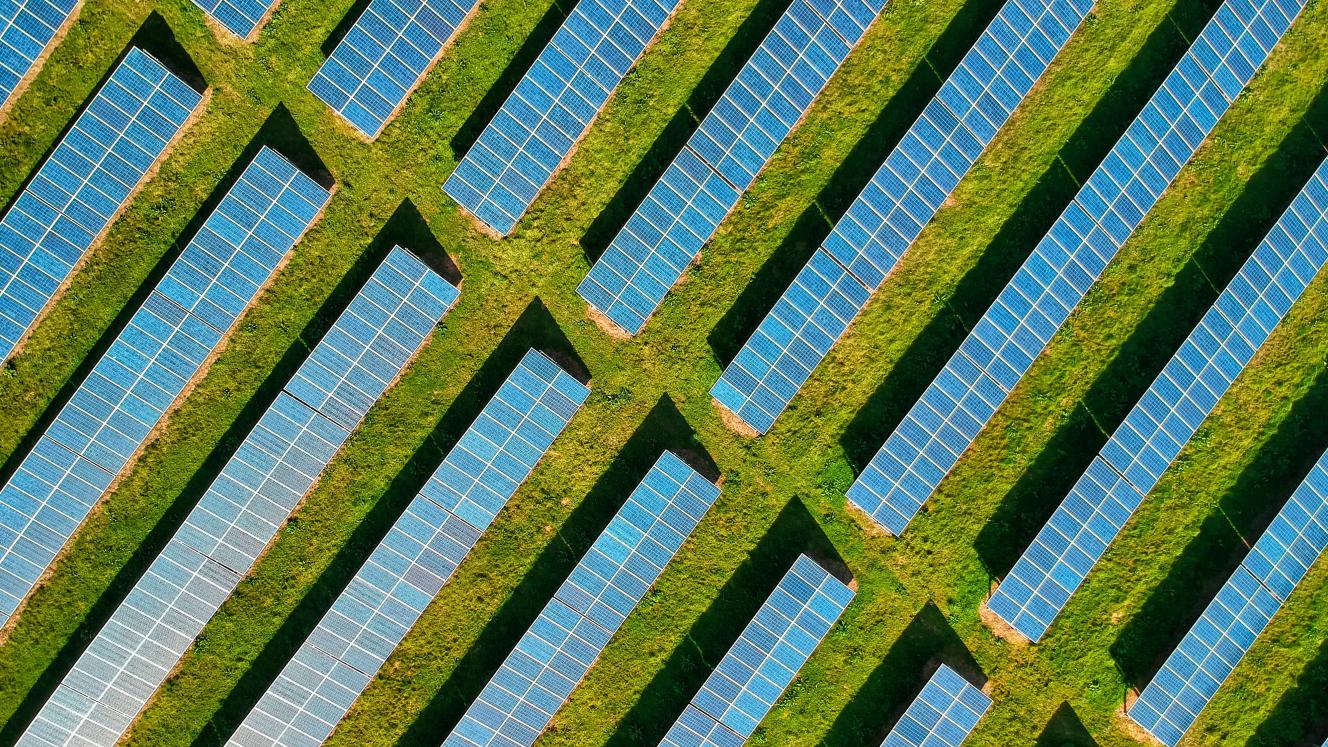
Africa’s utility-scale solar sector installed more capacity in the first quarter of 2026 than in the whole of 2025, signalling a shift from project pipeline to execution across the continent.
Figures presented by the Africa Solar Industry Association (AFSIA) during its Africa Solar Market Update webinar show that almost 970 MW of utility-scale solar capacity was installed in the first quarter of 2026, exceeding the 890 MW installed across Africa in 2025.
Africa’s total installed solar capacity now stands at 26,15 GW with 12,83 GW, or 49%, from utility-scale projects, underlining their growing role in the energy mix.
“This near parity between utility-scale and distributed solar reflects the rising role of large-scale projects in addressing power deficits across the continent,” said Benjamin Clarke, AFSIA’s Director of Operations.
North Africa leads first quarter growth
Strong first quarter performance was led by North Africa, which installed 672 MW of new capacity compared with Southern Africa’s 218 MW. East Africa added 70 MW while West and Central Africa recorded minimal additions.
Within North Africa, Egypt accounted for nearly 600 MW of first quarter additions from a single project. Tunisia added 72 MW, bringing its total installed capacity to 178,8 MW.
Southern Africa remains the continent’s largest utility-scale solar base with over 5,5 GW installed by the end of 2025 and 218 MW added in the first quarter of 2026. South Africa leads the region with over 2 GW installed and 180 MW added in the first quarter, supported by ongoing market reforms and increased access for independent power producers.
Smaller markets also contributed to regional growth with new capacity additions recorded in Zimbabwe, Namibia, Botswana and Zambia.
Utility-led growth in East Africa
In East Africa, 70 MW was added in the first quarter of this year, raising total installed capacity to just over 700 MW. Tanzania led the region, adding 65 MW of utility-scale solar, while Kenya added 1,2 MW despite more than 220 MW already installed.
West and Central Africa remain underdeveloped in utility-scale solar with limited new capacity added during the quarter.
Developers drive deployment
Major international developers dominated first quarter activity. Scatec delivered 672 MW, mainly in North Africa, while Engie added 180 MW in South Africa. Tanzania’s state utility Tanesco contributed 66 MW in East Africa.
Smaller regional developers are also entering the market, supporting broader deployment across multiple countries.
“This points to a more diverse mix in the market, from foreign independent power producers to regional and local entrants, supporting further utility-scale deployment across Africa,” Clarke said.
China policy change pulls projects forward
Clarke said the planned removal of China’s 9% VAT rebate on solar exports in April 2026 accelerated project timelines with developers advancing construction to benefit from lower equipment costs.
“This increase will impact utility-scale projects yet to begin construction with those at the financing stage most exposed. The resulting cost increase is estimated at US$9 100 per megawatt peak. This is not ruinous but it is significant,” he said.
Pipeline signals continued growth
Africa’s utility-scale solar pipeline stands at around 133 GW, highlighting the scale of projects in development. South Africa leads with over 22 GW of planned capacity, followed by Morocco at 17 GW, although a significant portion of this pipeline faces uncertainty.
Nigeria, Zambia, Egypt, Namibia and Zimbabwe also have substantial projects in development.