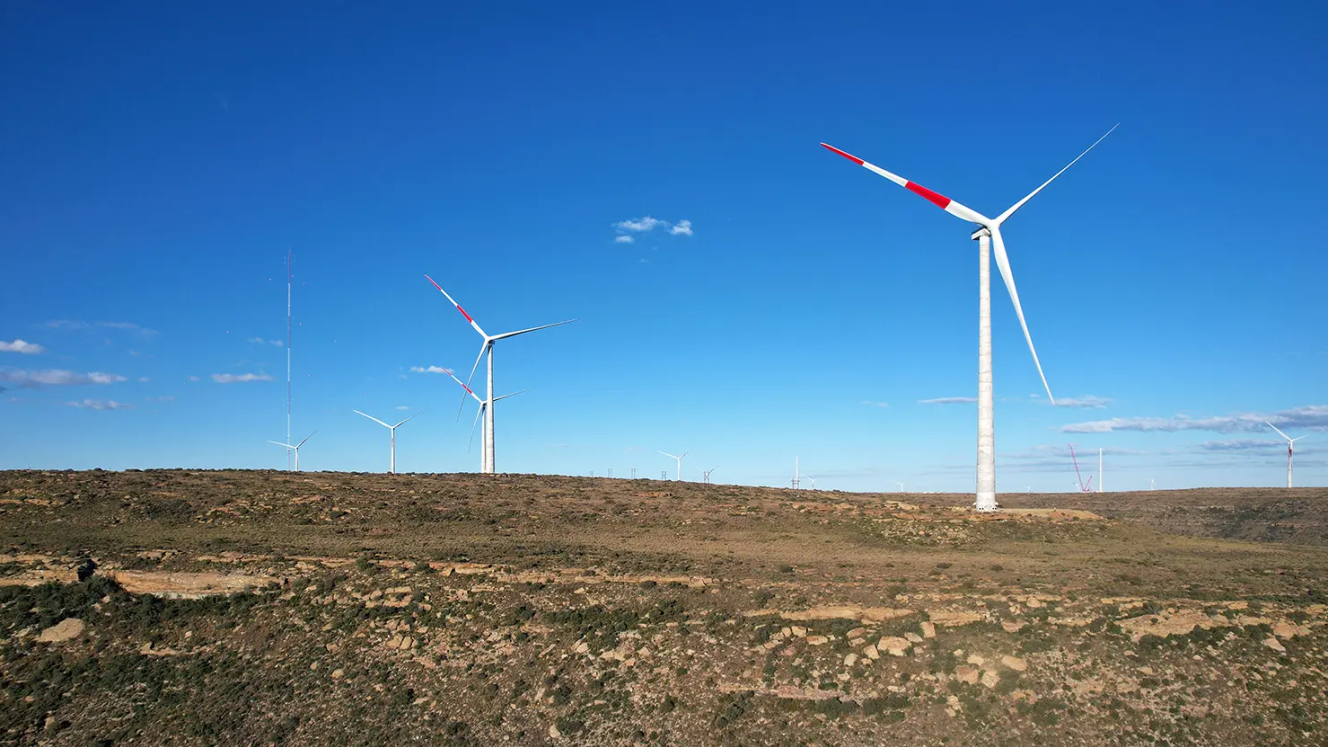
South Africa’s renewable energy sector is moving towards larger, higher-capacity wind turbines with the 420 MW Koruson 1 wind power cluster marking a step change in project scale and technology.
Located between Noupoort and Middelburg, straddling the Eastern Cape and Northern Cape, the Koruson 1 cluster features wind turbines rated at 5,6 MW each compared to the 1-3 MW units used in earlier projects. Red Rocket South Africa is advancing a similar approach with 6,2 MW and 7,2 MW turbines being installed at the Overberg wind farm.
This shift aligns with global trends where higher-capacity turbines are used to increase output and reduce the levelised cost of energy. Larger turbines generate more electricity per unit, improving overall project economics.
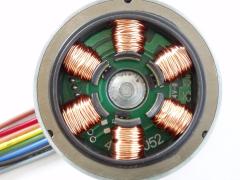
The turbines at Koruson 1 combine permanent magnet direct drive technology with full-power conversion synchronous generators – an advanced configuration that enhances efficiency, reliability and grid support capability.
The project, developed by a consortium led by EDF Power Solutions with local partners GIBB-Crede, H1 Holdings and a local community trust, comprises the San Kraal, Phezukomoya and Coleskop wind farms. The full cluster reached commercial operation in February 2026 and is supplying power to the national grid under 20-year power purchase agreements.
The development includes a 400/132 kV main transmission substation, described as South Africa’s largest privately developed facility of its kind, with capacity to connect up to 1,5 GW of renewable energy to the grid. This will accommodate output from Koruson 1, the planned 520 MW Koruson 2 project (developed by Envusa Energy) and other future developments.
Rather than using imported steel towers, the project used post-tensioned concrete towers. The precast concrete segments were manufactured at a dedicated facility near Middelburg, supporting local content requirements and creating 400 manufacturing jobs. At peak construction, more than 4 600 workers were on site.
However, localisation introduces cost trade-offs. Producing concrete towers locally is more expensive than importing steel alternatives, raising questions about balancing industrial policy objectives with the need to deliver lower-cost electricity.
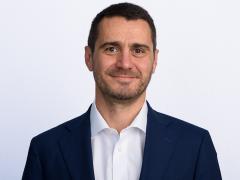
GIBB-Crede Investments Managing Director Colin Logan notes that, while localisation remains important, long-term economic benefit is linked to energy costs. “Lower energy costs deliver far greater benefits for economic growth than job creation in the energy sector alone. High energy prices ultimately drive industry away,” he says.
Engineering at scale
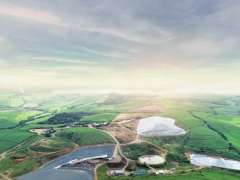
The project required significant logistical and engineering coordination. Located in a remote, high-altitude region spanning more than 500 km², it involved constructing over 110 km of access roads across challenging terrain. Turbine components were transported over distances exceeding 400 km from the Coega harbour.
Logan identifies procurement constraints as a key challenge, particularly lead times of two to three years for imported transformers while project delivery timelines under the Renewable Energy Independent Power Producer Programme typically require completion within two years.
A shortage of local engineering, procurement and construction contractors capable of executing large-scale projects adds further pressure. “We used to have a thriving construction sector but prolonged economic stagnation has weakened it. This often requires international contractors who may lack familiarity with South Africa’s operating environment, which can also lead to delays,” says Logan.
Beyond mechanical components, there is no local manufacturing of wind turbines, limiting specialised skills. Original equipment manufacturers are therefore typically required for installation while transmission, electrical and mechanical balance-of-plant work can be executed locally.
Looking ahead, Logan says project development is shaped by a rapidly evolving energy landscape. “Being technology agnostic means identifying the most appropriate and cost-effective energy solution based on where the market is heading. Ultimately, the approach is one of continuous optimisation, balancing different technologies to meet demand in the most efficient and cost-effective way.”