
Almost 1,1 million customers have been removed from load reduction schedules under Eskom’s programme to address overloaded networks, illegal connections and meter tampering in high-risk areas.
The utility says 65% of the 1,69 million targeted customers are no longer affected by load reduction since the beginning of July.
Of the 971 feeders covered by the programme nationally, 544 (56%) have been removed from load reduction, the utility says, adding that load reduction has been fully eliminated in five provinces: Mpumalanga, Western Cape, Free State, North West and Northern Cape. It is targeting elimination in seven provinces by October 2026 and nationally by 2027.
Gauteng represents the largest remaining part of Eskom’s load reduction programme with 360 of its 604 targeted feeders – about 60% – still to be removed from the schedules, based on the utility’s figures. By comparison, Limpopo and Mpumalanga have removed 151 feeders against a target of 150 while the Free State and KwaZulu-Natal have removed 123 of 193 targeted feeders.
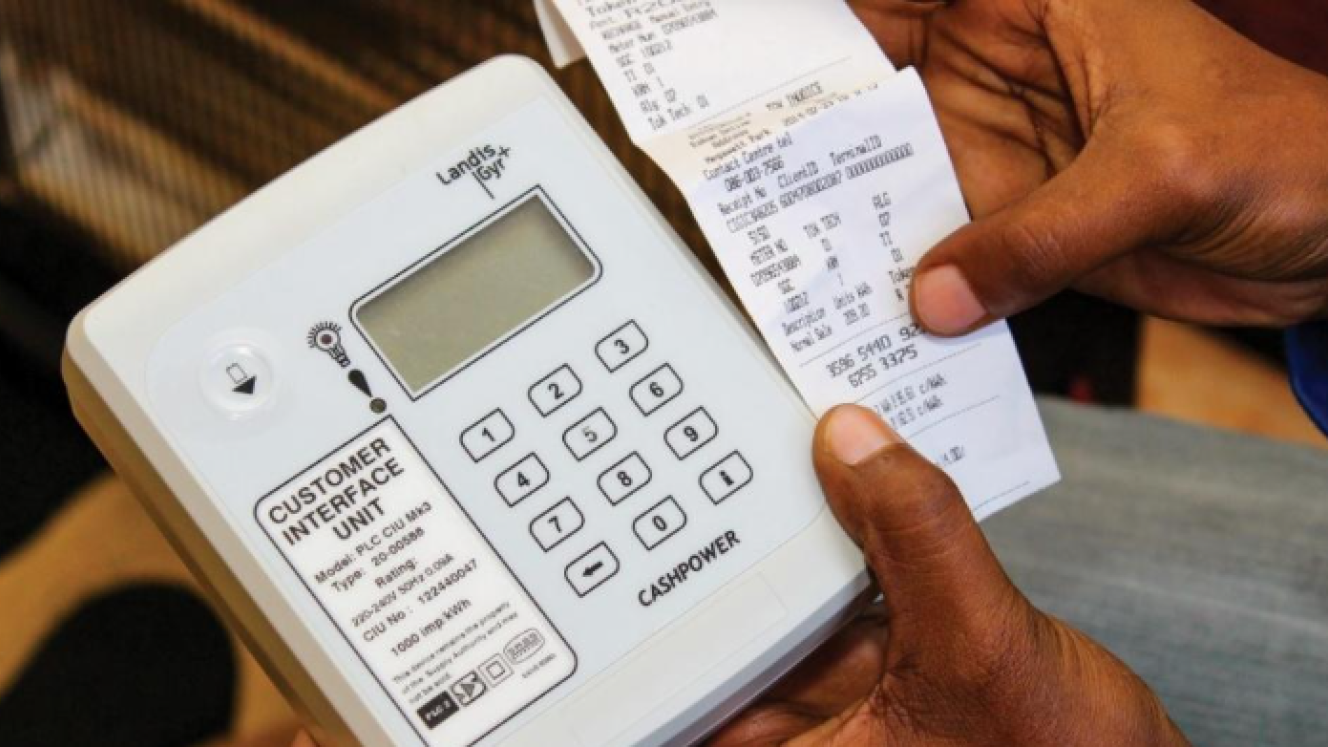
Interventions include smart meter deployment, distributed energy resources, network reinforcement, free basic electricity registration and community engagement, Eskom says.
“Eskom has deployed 1 861 180 smart meters nationwide. Of these, 472 100 have been installed on load reduction feeders, representing approximately 25% of installations in high-priority areas. Approximately 93% of these installations are concentrated in Gauteng, Mpumalanga, Limpopo and KwaZulu-Natal where network pressure is highest.”
Safety incidents, intimidation and work stoppages have affected more than 122 000 planned smart meter installations, according to the utility.
Free basic electricity registration has increased to 571 589 customers from a baseline of 485 000, which represents about 28% of the 2,1 million customers Eskom identifies as eligible for the subsidy.
Generation performance also improved during the reporting period. The energy availability factor increased by 5,75 percentage points to 64,29% for the financial year to date (April 1 to July 2) compared with 58,54% in the corresponding period last year.